
Sunday, February 10, is the 'Lunar New Year'. In Korea, January 1 of the lunar calendar is called Seollal. This is because Korea follows the lunisolar calendar, which is based on the lunar cycle.
2월 10일 일요일은 ‘설날’이다. 정확하게 말하면, 음력 설날이다. 한국에서는 음력 1월 1일을 설날이라고 한다. 달의 주기를 기준으로 하는 태음력을 따르기 때문이다.
단어장
기사 본문
한국에서는 양력 1월 1일과 음력 1월 1일을 법정공휴일인 ‘설날’로 지정하고 있다. 그러나 양력 설날인 1월 1일은 설 당일만 휴일이지만, 음력 설날은 설 당일을 포함해서 3일간의 연휴가 시작된다.
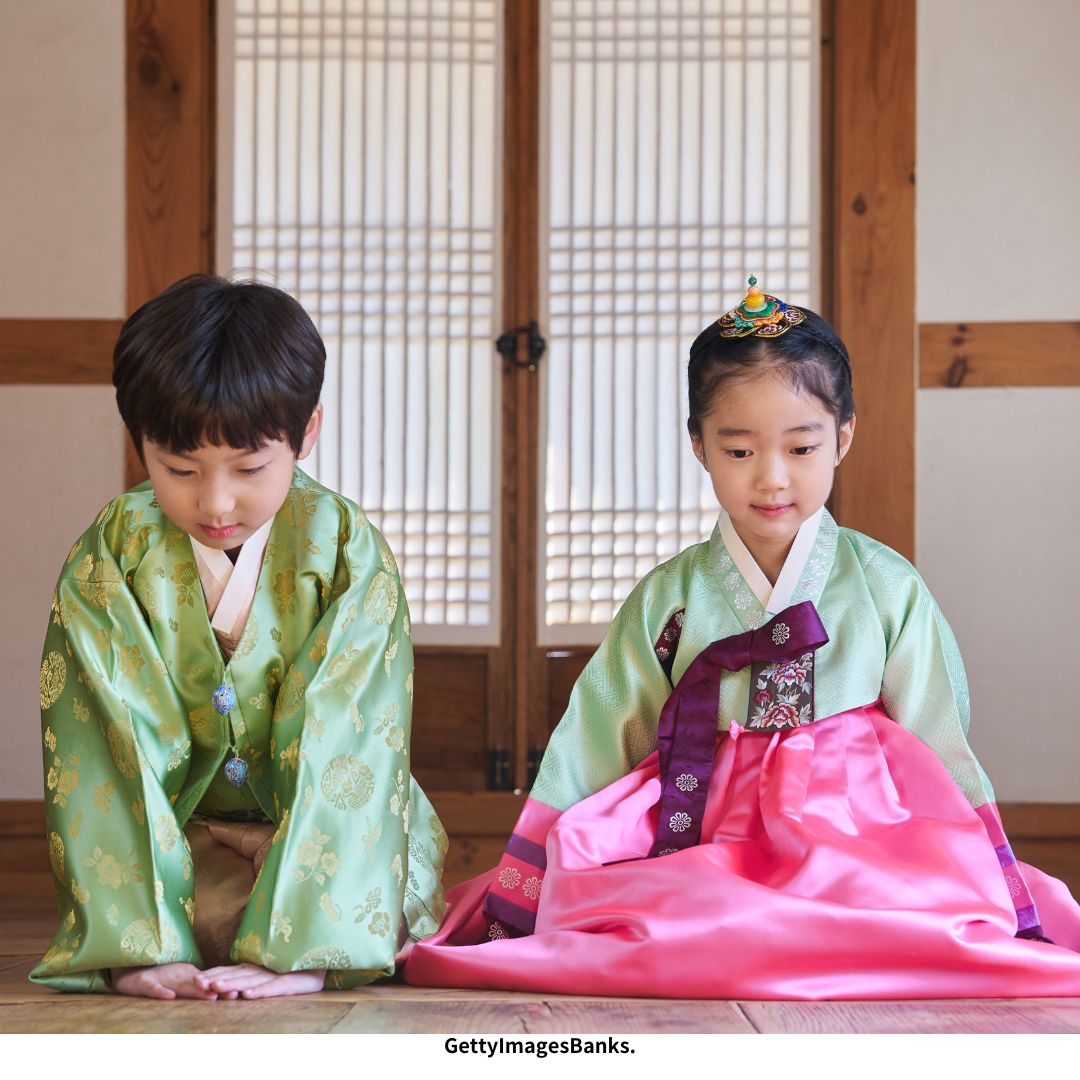
일본을 제외한 대부분의 동아시아 국가들은 양력 설보다는 음력 설을 진정한 설날로 인식한다. 음력 설에는 고향을 찾고 세배를 드리며 일가 친척들이 모여 차례를 모시는 풍습이 있다. 이러한 풍습을 ‘설을 쇠다’라고 한다.
오래 전부터 한민족은 음력 설을 설날로 여겼고, 크게 기념하였다.
1896년 을미개혁이 이루어지고 태양력이 채택되면서 음력은 폐지되었지만, 여전히 한민족은 음력 설을 1월 1일로 인식했다.
메이지 유신을 통해 근대화를 추진했던 일제가 한반도를 지배하면서 음력 설을 금지시켰고, 해방 이후에도 양력 설은 연휴였지만, 음력 설은 휴일이 아니었다. 그럼에도 불구하고 많은 사람들이 음력 설을 명절로 인식하는 풍습은 바뀌지 않았다.
서구 근대화를 모델로 삼았던 대한민국의 역대 정부는 꾸준히 양력 설을 권장하였다. 하지만 민간의 오래된 전통은 쉽게 바뀌지 않았다.
1980년대 후반 음력 설이 설날로 지정되었고, 연휴 기간도 3일이 되었다. 한동안 양력 설을 쇠는 가정과 음력 설을 쇠는 가정이 혼재되어 있었지만, 현재는 대부분의 가정이 음력 설을 쇠고 있다.
세월이 흐르면서 명절 풍습도 바뀌고 있다. 명절 연휴가 시작되면 귀성 행렬로 고속도로가 정체되는 현상도 과거보다는 많이 완화된 듯하다.
고향에 있는 부모들이 수도권에 살고 있는 자녀들의 집을 찾아 역귀성하는 행렬이 증가하는 추세라고 한다.
명절 연휴에 고향을 찾기 보다는 가족 단위로 국내나 해외로 여행을 떠나는 가정도 늘어나고 있다. 언론 보도에 따르면 올해 설 연휴에는 인천 공항을 통해 해외로 떠나는 여행객의 수가 100만명에 달할 것으로 보인다고 한다.
먼 훗날 설날의 풍경은 어떤 모습일까?
In Korea, New Year’s Day in the solar calendar and New Year’s Day in the lunar calendar are designated as 'Seollal,' a legal holiday. However, on January 1, Solar New Year's Day, only the day itself is a holiday, but on Lunar New Year's Day, a three-day holiday begins, including the day itself.
Most East Asian countries except Japan recognize the Lunar New Year as the actual New Year rather than the Solar New Year. During the Lunar New Year, there is a custom of visiting one's hometown, paying homage, and gathering with family members to attend ancestral rites. This custom is called 'Seol Soeda.'
For a long time, the Koreans regarded the Lunar New Year as a New Year and celebrated it widely.
With the Eulmi Reform in 1896 and the adoption of the solar calendar, the lunar calendar was abolished, but the Korean people still recognized the Lunar New Year as January 1.
The Japanese Empire, which promoted modernization through the Meiji Restoration, banned the Lunar New Year when it ruled the Korean Peninsula. Even after liberation, the Solar New Year was a holiday, but the Lunar New Year was not. Nevertheless, the custom of many people recognizing the Lunar New Year as a New Year's Day remained.
Previous governments of the Republic of Korea, which used Western modernization as a model, have consistently recommended the solar calendar. However, long-standing folk traditions were not easily changed.
In the late 1980s, the Lunar New Year was designated as New Year, and the holiday consisted of three days. For a while, there was a mix of families celebrating the Solar New Year and the Lunar New Year, but now most families celebrate the Lunar New Year.
As time goes by, holiday customs are also changing. When the holiday season begins, highway congestion due to people returning home has eased significantly compared to the past. It is said that the number of parents leaving their hometowns to visit their children’s homes in the metropolitan area is increasing.
In addition, the number of families going on a family holiday domestically or internationally rather than visiting their hometown for the holidays is increasing. According to media reports, the number of travelers who will be traveling overseas through Incheon International Airport during this year's Lunar New Year holiday is expected to reach 1 million.
What will the Lunar New Year scenery look like in the distant future?

