
“Fly, birds, into the blue sky~”
This is the opening line of the “Children’s Day Song,” which can be heard across Korea every year on May 5, which is designated as a national holiday known as Children’s Day.
Children’s Day is a day to celebrate and support children so they may grow up healthy, full of hopes and dreams. Interestingly, the term “children” was not always widely used. It was popularized by Bang Jeong-hwan, who devoted his life to supporting children’s dreams through his poem “Children’s Song: The One Who Lights the Lamp.”
“날아라 새들아 푸른 하늘을~”
어린이날이 되면 전국 곳곳에서 울려 퍼지는 ‘어린이날 노래’의 시작 부분이다. 대한민국에서 5월 5일은 법정공휴일로 지정된 어린이날이다.
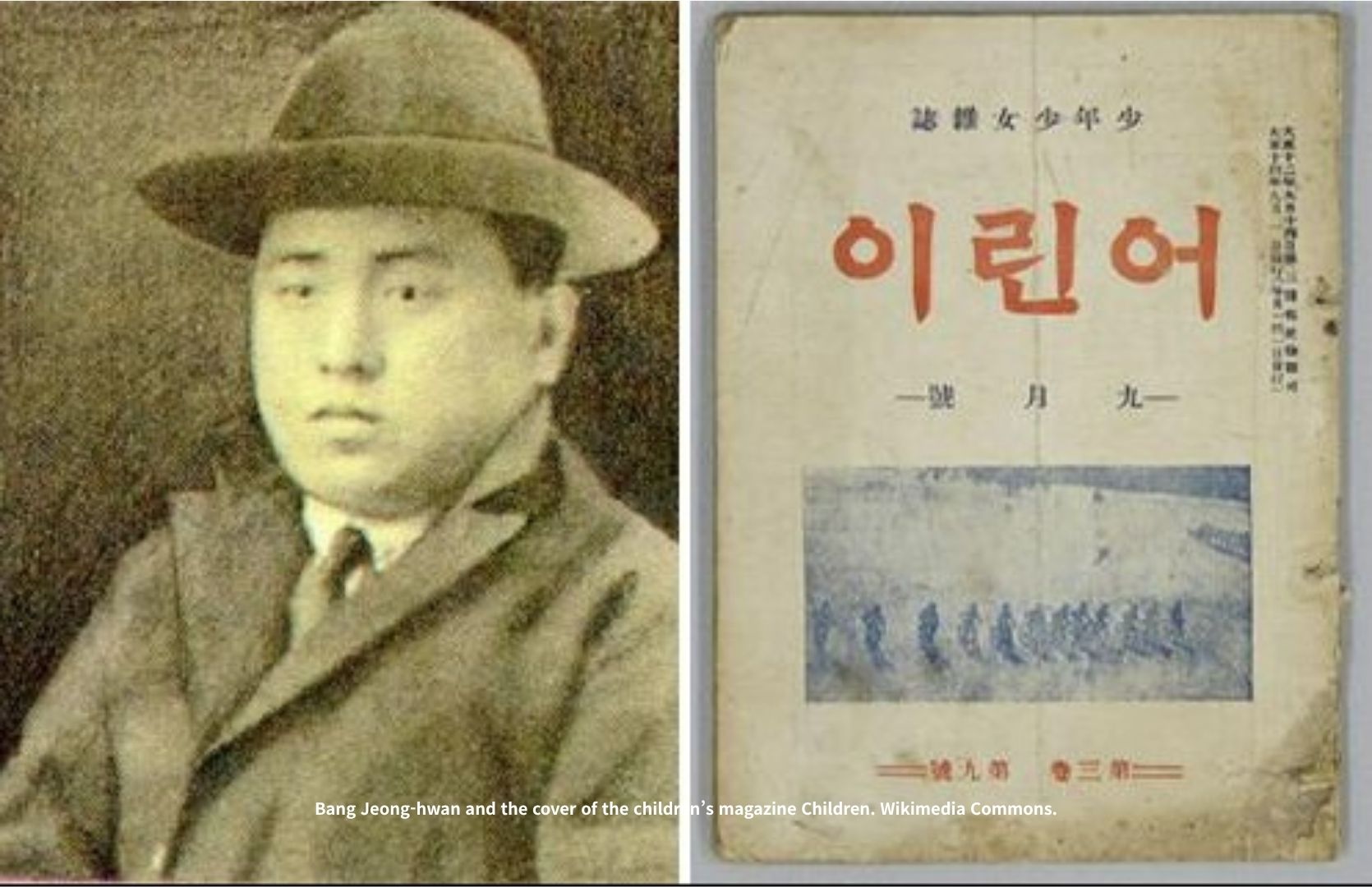
어린이날은 어린이가 꿈과 희망을 품고 건강하게 자라도록 기념하는 날이다. 그런데 ‘어린이’라는 말은 원래부터 널리 쓰이던 표현이 아니었다. 평생 어린이의 꿈을 응원했던 방정환 선생이 동시 「어린이 노래: 불 켜는 이」를 통해 이 말을 널리 보급하였다.
단어장
기사 본문
아동복지법 제6조(어린이날 및 어린이 주간)는 “어린이에 대한 사랑과 보호의 정신을 높임으로써 이들을 옳고 아름답고 슬기로우며 씩씩하게 자라나도록 하기 위하여 매년 5월 5일을 어린이날로 하며, 5월 1일부터 5월 7일까지를 어린이주간으로 한다”라고 그 의의를 밝히고 있다.
방정환 선생(1899~1931)은 일제강점기 시기에 어린이의 권리와 존엄을 강조하며 어린이 운동을 이끈 대표적인 인물이다. 그는 어린이를 하나의 독립된 인격체로 존중해야 한다는 생각을 널리 알렸으며, 아이들을 단순한 보호의 대상이 아니라 꿈과 권리를 지닌 존재로 바라보아야 한다고 강조했다.
이러한 정신에서 출발한 어린이날은 단순한 기념일을 넘어, 어린이가 존중받고 행복하게 성장할 수 있는 사회를 만들자는 의미를 담고 있다. 오늘날 5월 5일 어린이날은 아이들의 꿈과 희망을 응원하고, 어른들이 사랑과 책임으로 어린이를 돌보아야 함을 되새기는 날로 자리 잡았다.
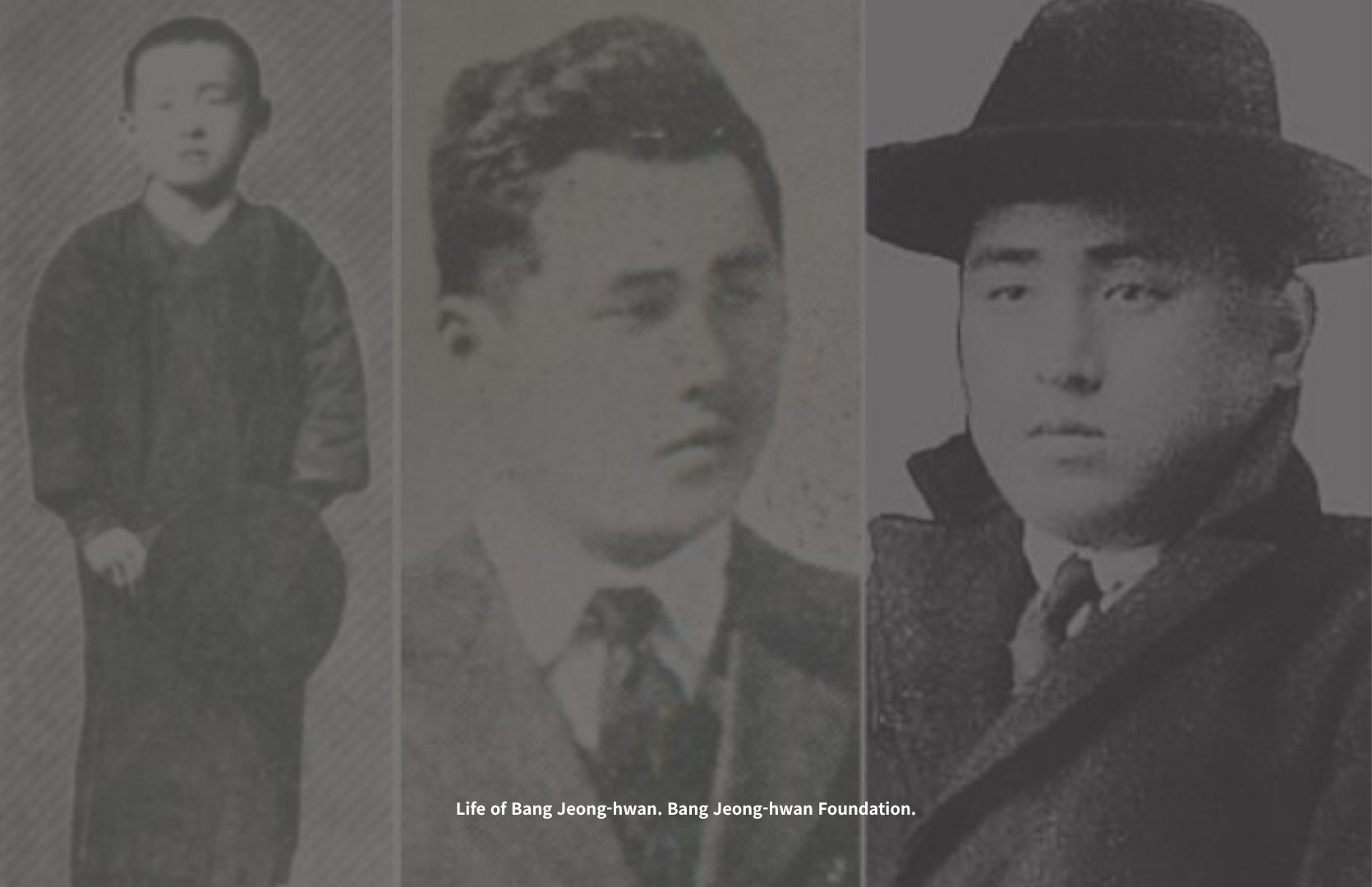
방정환 선생은 서울에서 태어났다. 천도교 지도자이자 독립 운동가였던 손병희 선생의 사위가 되었으며, 천도교 계열에서 사회운동에 참여하였다. 이후 일본 유학을 통해 아동 교육과 문학에 대한 새로운 사상을 접하고, 귀국 후 어린이를 독립된 인격체로 존중해야 한다는 신념 아래 본격적인 어린이 운동을 펼쳤다.
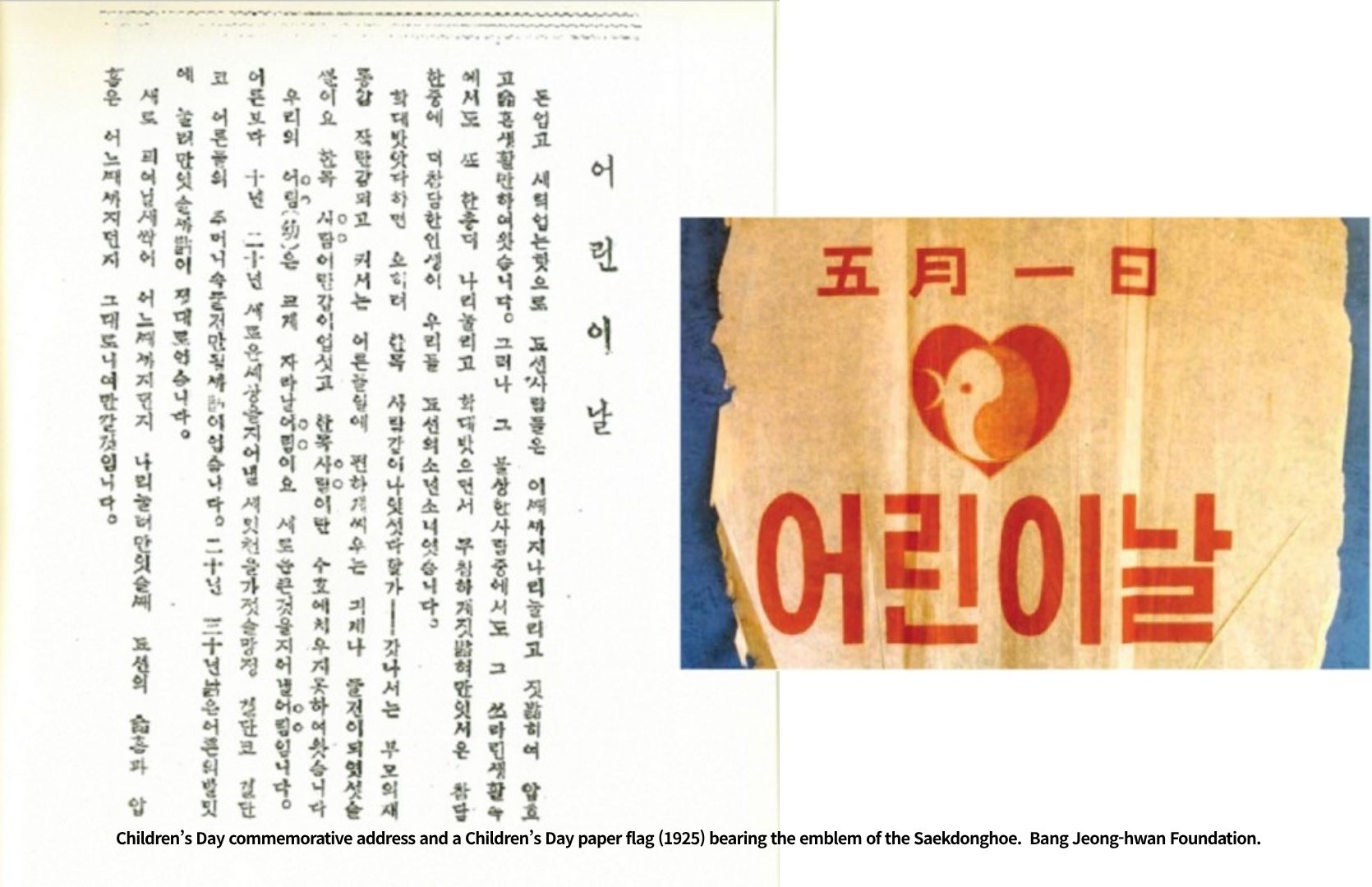
1923년에는 어린이날을 처음 제정하고, 어린이 잡지 발간과 동화·동시 보급에 힘쓰며 어린이 문화 발전에 크게 기여하였다. 또한 ‘색동회’를 중심으로 어린이 계몽 활동을 이어가며, 당시 사회에서 소외되기 쉬웠던 어린이의 권리를 널리 알렸다.
그러나 허약한 체질에도 불구하고 어린이를 위한 다양한 활동에 헌신하던 그는 31세의 젊은 나이에 세상을 떠났다.
짧은 생애였지만, 방정환 선생은 평생을 어린이를 위해 바쳤으며, 오늘날 어린이날과 어린이 인권 의식의 기반을 마련한 인물로 평가받고 있다.
According to Article 6 of the Child Welfare Act, Children’s Day (May 5) and Children’s Week (May 1–7) were established to promote the love and protection of children, helping them grow into upright, kind, wise, and courageous individuals.
Bang Jeong-hwan (1899–1931) was a leading figure in the children’s movement during the Japanese colonial period. He emphasized the rights and dignity of children, advocating that they should be respected as independent individuals rather than mere subjects of protection. He believed children should be seen as beings with dreams and rights.
Children’s Day, born from this philosophy, is more than just a commemorative day—it represents the vision of building a society in which children are respected and can grow up happily. Today is a day to celebrate children’s dreams and remind adults of their responsibility to care for them with love.
Born in Seoul, Bang Jeong-hwan became the son-in-law of Son Byeong-hui, a leader of Cheondogyo and an independence activist. Through this connection, he participated in social movements. While studying in Japan, he encountered new ideas regarding children’s education and literature. After returning to Korea, he began a full-scale children’s movement based on his belief in respecting children as independent individuals.
In 1923, he established Children’s Day and contributed greatly to the development of children’s culture by publishing children’s magazines and promoting fairy tales and poems. He also led enlightenment activities through organizations such as Saekdonghoe (derived from the colorful saekdong jeogori––a traditional Korean children’s jacket), raising awareness of children’s rights in a society where they were often overlooked.
Despite his frail health, he devoted himself tirelessly to children’s causes. Tragically, he passed away at the young age of 31.
Though his life was short, Bang Jeong-hwan wholly dedicated himself to children and is remembered as a pioneer who laid the foundations for Children’s Day and awareness of children’s rights in Korea.

