
Early morning on the highway. A drunk driver weaves between lanes, foot heavy on the gas. Up ahead sits an ordinary black Sonata. No cause for suspicion — the driver blows past it without a second thought. Then, in an instant, hidden lights flash to life and a voice crackles over the radio.
"Suspected DUI confirmed. Please pull over to the shoulder."
That car was an undercover patrol vehicle.
새벽 고속도로. 술에 취한 운전자가 차선을 넘나들며 과속한다. 앞에 보이는 건 평범한 검은색 쏘나타 한 대. 운전자는 아무 의심 없이 추월한다. 그 순간 숨겨져 있던 경광등이 번쩍 켜지고, 무전기에서 목소리가 들린다.
"음주운전 차량 확인. 갓길 정차 요청합니다."
그 차는 바로 암행순찰차였다.
단어장
기사 본문
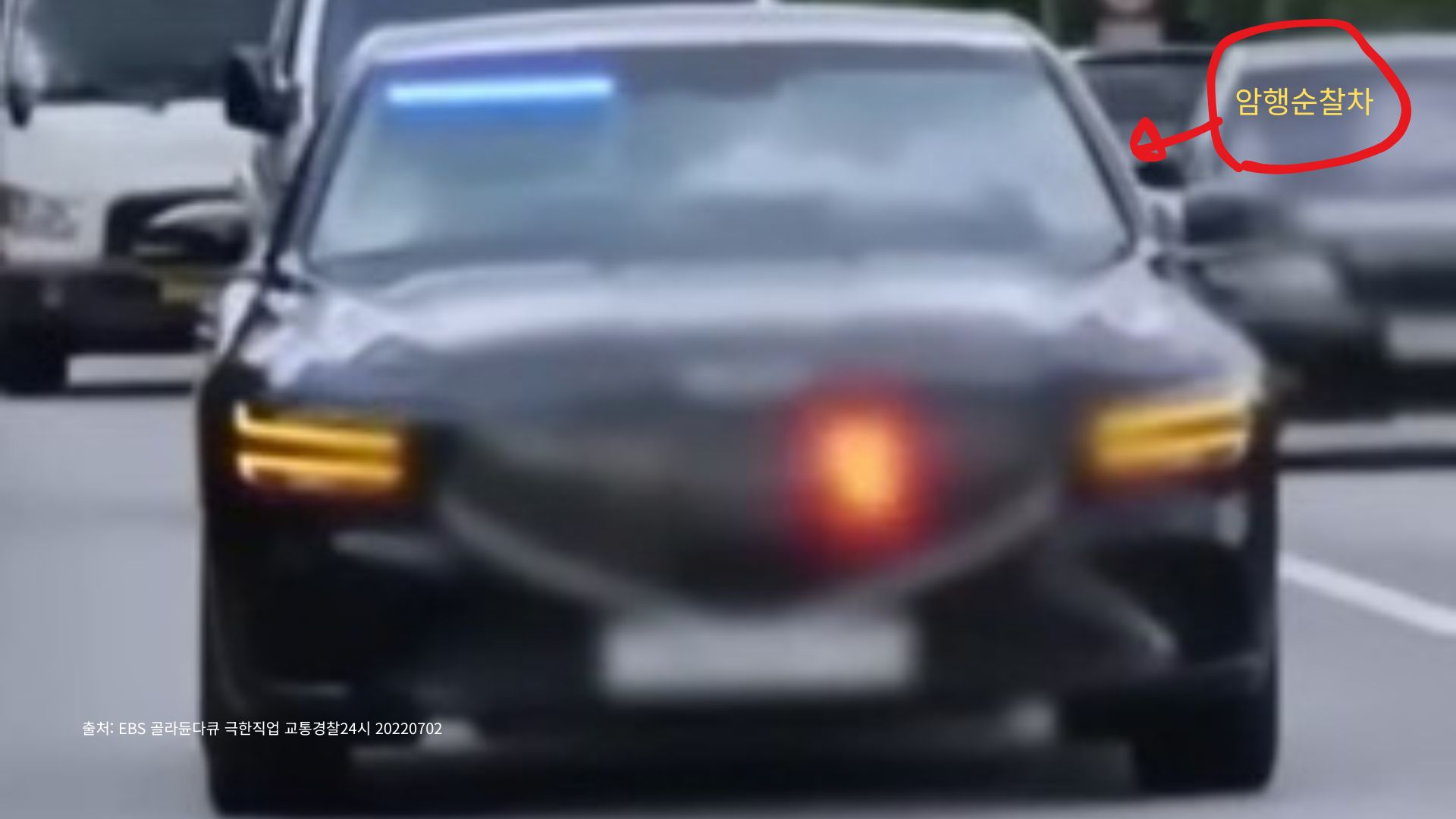
암행순찰차는 겉으로 보면 일반 승용차와 다를 바 없다. 현대 쏘나타나 기아 K5 같은 평범한 차량처럼 보이지만 내부에는 경찰 장비가 숨겨져 있다. 경광등은 차량 내부에 매립되어 있고, 전방 카메라는 번호판 인식과 속도 측정을 수행한다. 촬영 기록은 법정 증거로도 활용할 수 있다. 번호판 역시 일반 차량과 유사해 쉽게 알아차리기 어렵다.
특히 고속도로에서의 난폭운전, 꼬리물기, 음주운전 단속에 효과적이다. 운전자들은 경찰차가 보이면 얌전해지지만, 암행순찰차 앞에서는 평소 습관이 그대로 드러난다. 실제로 경찰청 발표에 따르면 암행순찰차 운영 이후 고속도로 사고 건수가 크게 감소했다고 한다. "언제 어디서 단속될지 모른다"는 긴장감 자체가 강력한 억제 효과를 낳은 것이다.
그런데 이런 방식은 사실 새로운 것이 아니다. 조선시대에도 비슷한 제도가 있었다. 바로 암행어사다.
조선의 왕들은 지방 관리들이 백성을 수탈하고 뇌물을 받는 문제로 골머리를 앓았다. 문제는 감찰이 온다는 사실을 미리 알면 증거가 모두 사라진다는 점이었다. 그래서 등장한 제도가 암행어사였다.
왕은 젊고 유능한 관리를 은밀히 임명해 지방으로 파견했다. 어사는 도성 문을 나선 뒤에야 봉서를 열어 자신이 맡은 지역과 임무를 확인할 수 있었다. 공식적으로는 단신이었지만 실제로는 비장이라 불리는 수행원들이 뒤따랐다.
암행어사는 초라한 선비나 떠돌이 행인처럼 변장했다. 낡고 해진 옷차림으로 민가를 돌아다니며 백성들의 삶을 직접 살폈다. 덕분에 지방 수령들의 민낯을 있는 그대로 들여다볼 수 있었다.
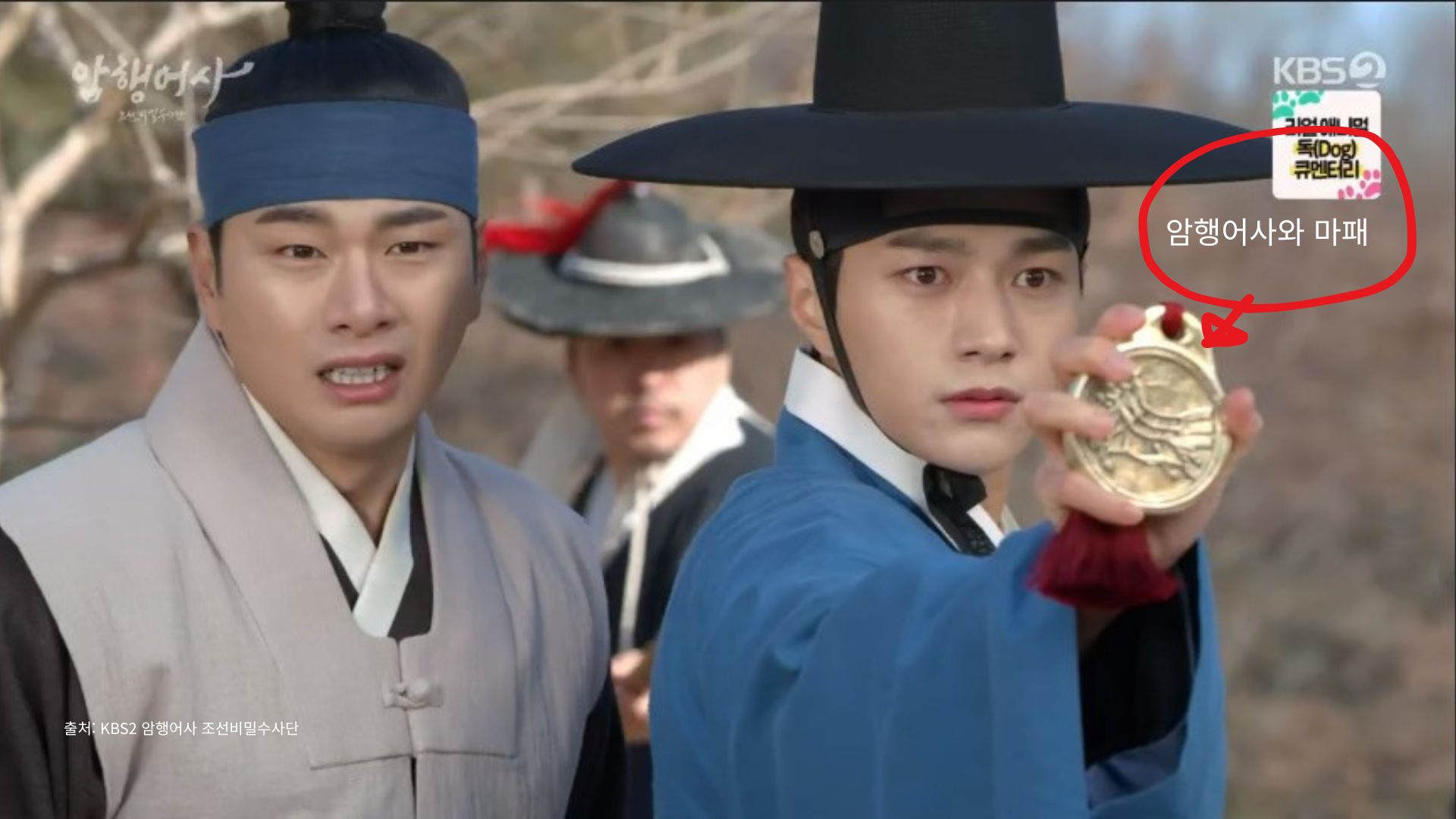
그리고 결정적인 순간, 어사는 마패를 높이 들며 외쳤다.
"암행어사 출두야!"
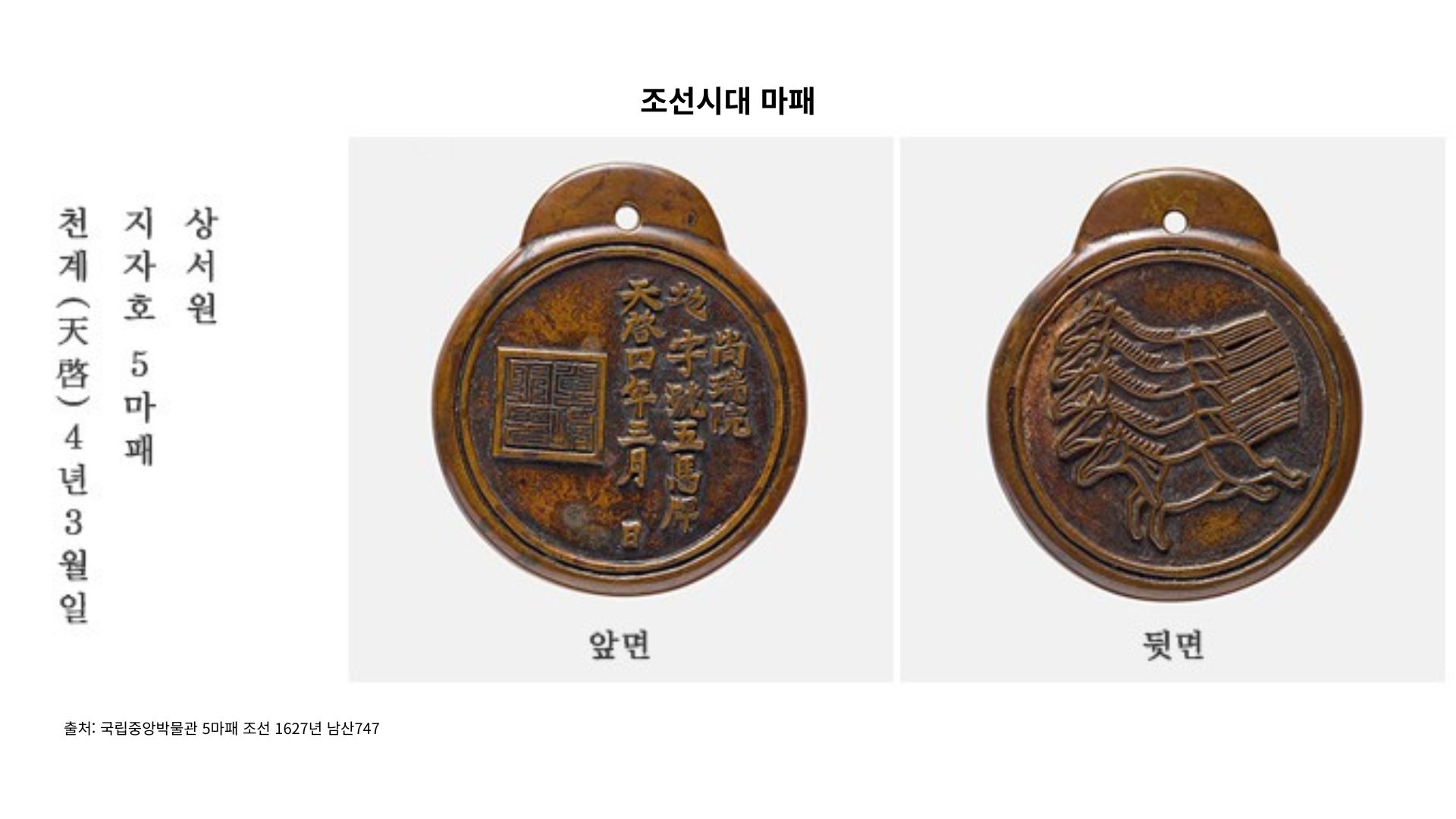
마패는 조선시대의 신분증이자 권한의 상징이었다. 이를 통해 역마를 빌리고 군사를 동원하는 것도 가능했다. 방금 전까지 초라한 행인으로만 보이던 인물이 왕의 특명을 받은 어사였다는 사실에 수령들은 낯빛이 새하얗게 질렸다.
이 장면은 오늘날의 암행순찰차와 묘하게 닮아 있다. 평범한 차량인 줄 알고 지나쳤다가 갑자기 경찰임이 드러나는 구조가 판박이다.
조선 후기의 박문수는 대표적인 암행어사로 이름을 떨쳤다. 그의 활약은 전설이 되어 지금까지도 회자된다. 『춘향전』 속 이몽룡 역시 암행어사로 등장해 탐관오리를 응징하는 인물로 그려진다.
결국 암행어사와 암행순찰차는 같은 철학을 공유한다.
"사람은 감시받는다는 사실을 모를 때 비로소 진짜 모습을 드러낸다."
600년 전 조선의 왕이 고안했던 방식은 오늘날 고속도로 위에서도 이어지고 있다. 시대는 달라졌지만, '몰래 지켜보다 결정적 순간에 정체를 드러낸다'는 전통은 여전히 살아 숨 쉬고 있다.
To the naked eye, an undercover patrol car is indistinguishable from any other sedan on the road. Though it may look like a standard Hyundai Sonata or Kia K5, beneath the surface lies a full suite of police equipment. Strobe lights are embedded inside the vehicle, and a front-facing camera handles license plate recognition and speed detection. All footage is admissible as evidence in court. Even the license plates are designed to blend in, making the car nearly impossible to identify at a glance.
These vehicles are particularly effective at catching dangerous highway behavior — aggressive driving, tailgating, and drunk driving. Drivers tend to behave themselves the moment they spot a marked police car, but in front of an undercover vehicle, they show their true nature. According to the Korean National Police Agency, highway accident rates dropped significantly after undercover patrols were introduced. The fear that one could be pulled over at any moment turns out to be one of the most powerful deterrents of all.
But here's the thing: this idea is nothing new. Joseon-era Korea had a remarkably similar institution over 600 years ago — the amhaeng eosa, or secret royal inspector.
The kings of Joseon were plagued by corrupt local officials who exploited commoners and pocketed bribes. The problem was simple: officials were tipped off that an inspection was coming, and every shred of evidence would vanish overnight. The solution was the secret royal inspector.
The king would quietly appoint a young, capable official and dispatch him to the provinces. Only after passing through the city gates was the inspector allowed to unseal his royal orders and learn which region he'd been assigned and what he was supposed to investigate. Officially, he traveled alone, though in practice, a small team of aides known as bijang followed discreetly behind.
The inspector traveled in disguise, posing as a shabby scholar or a wandering traveler. Dressed in worn, tattered clothes, he moved through villages, observing the lives of ordinary people firsthand. This allowed him to see local governors exactly as they were, without performance or cover-ups.
Then came the moment of reckoning. The inspector would raise his mape — an official bronze medallion bearing the royal seal — and cry out:
"The secret royal inspector has arrived!"
The mape was both an ID and a symbol of sweeping authority. With it, the inspector could commandeer horses at royal post stations and mobilize troops. Officials who had dismissed the travel-worn stranger moments before suddenly found themselves face to face with the king's personal envoy, and the color drained from their faces.
The parallel to modern undercover patrol cars is hard to miss. In both cases, what looks like an ordinary, unremarkable presence turns out to be an agent of law and order, and the reveal comes only when it is too late for the offender.
Park Mun-su, a real-life inspector from the late Joseon period, became so legendary that his exploits live on in Korean folklore to this day. And in the classic novel The Story of Chunhyang, the hero Yi Mong-ryong arrives as a secret royal inspector to expose and punish a corrupt magistrate. This is a story that still resonates with Korean audiences centuries later.
In the end, the secret royal inspector and the undercover patrol car are rooted in the same philosophy:
"People only reveal their true selves when they don't know they're being watched."
A strategy devised by Korean kings six centuries ago is still being put to use on highways today. The times have changed, but the tradition of watching in secret and then revealing yourself at the decisive moment is very much alive.

