
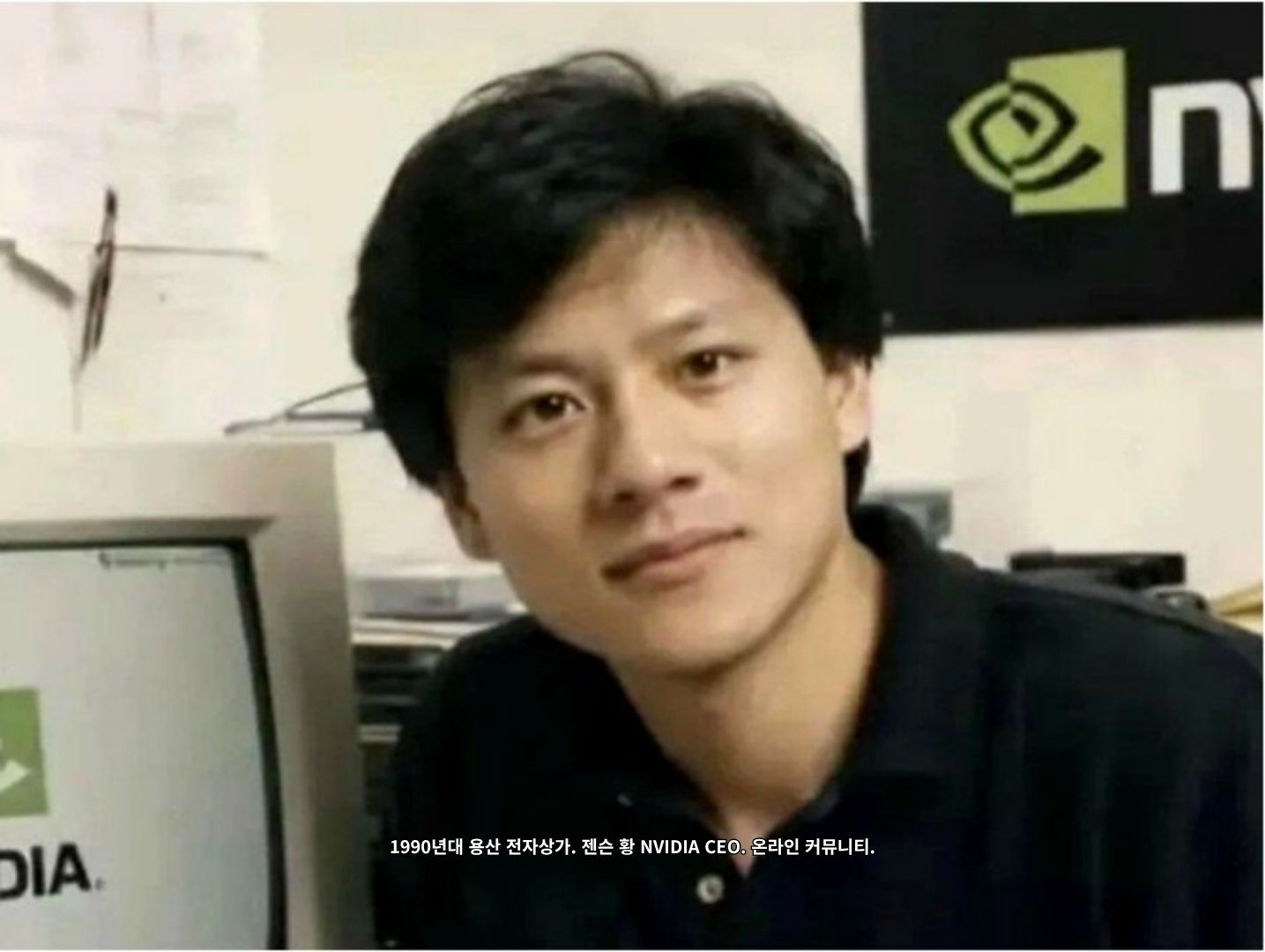
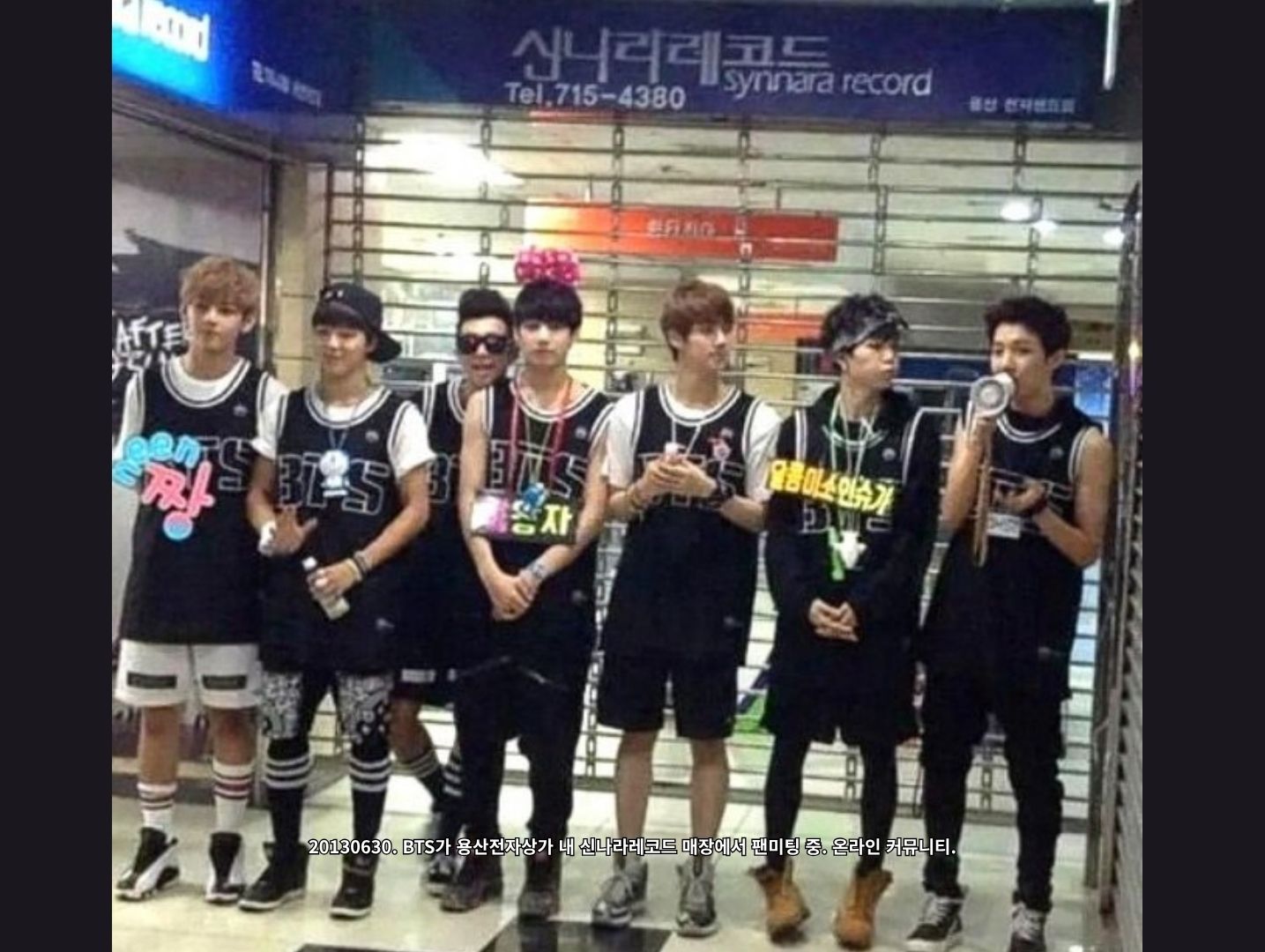
A recently resurfaced photograph of NVIDIA CEO Jensen Huang has captured public attention in South Korea. Taken in the late 1990s, it shows the young entrepreneur personally visiting Yongsan Electronics Market in Seoul to promote graphics cards to local computer retailers. Another photo that went viral shows BTS in 2013, only weeks after their debut, holding a small fan event at a record store inside the same Yongsan complex.
최근 젠슨 황 엔비디아 CEO의 젊은 시절 사진이 화제가 됐다. 1990년대 후반 한국의 용산전자상가를 돌며 직접 그래픽카드를 판매하던 모습이었다. 여기에 2013년 신인 시절의 방탄소년단(BTS)이 용산의 음반 매장에서 팬미팅을 하던 사진까지 다시 주목받았다.
단어장
기사 본문
세계 최고의 AI 기업 CEO와 세계 최고의 아이돌 그룹. 전혀 다른 분야의 두 성공 신화가 모두 용산이라는 공간과 연결되어 있다는 사실은 흥미롭다.
그러나 용산의 이야기는 전자상가보다 훨씬 오래전부터 시작된다.
용산은 원래 서울의 남쪽 관문이었다. 조선시대에는 한강을 따라 물자가 모이는 교통의 요지였고, 서울과 지방을 연결하는 중요한 길목이었다.
그러나 근대에 들어 용산의 운명은 크게 바뀐다.
1904년 러일전쟁 이후 일본은 용산에 대규모 군사기지를 건설했다. 이후 일제강점기 동안 용산은 일본군의 핵심 거점으로 성장했다. 철도와 병참 시설이 집중되면서 서울에서도 가장 전략적인 지역 중 하나가 되었다.
광복 이후에는 미군이 이 자리를 이어받았다. 수십 년 동안 용산은 대한민국 수도 한복판에 존재하는 거대한 미군기지의 도시였다. 서울 시민들에게 용산은 종종 "가까이 있지만 쉽게 들어갈 수 없는 공간"으로 인식됐다.
흥미로운 것은 바로 그 시기, 기지 바깥에서 새로운 산업 생태계가 자라나기 시작했다는 점이다. 1970~80년대 전자산업이 성장하면서 전자 부품 상점들이 하나 둘 모여들었다.
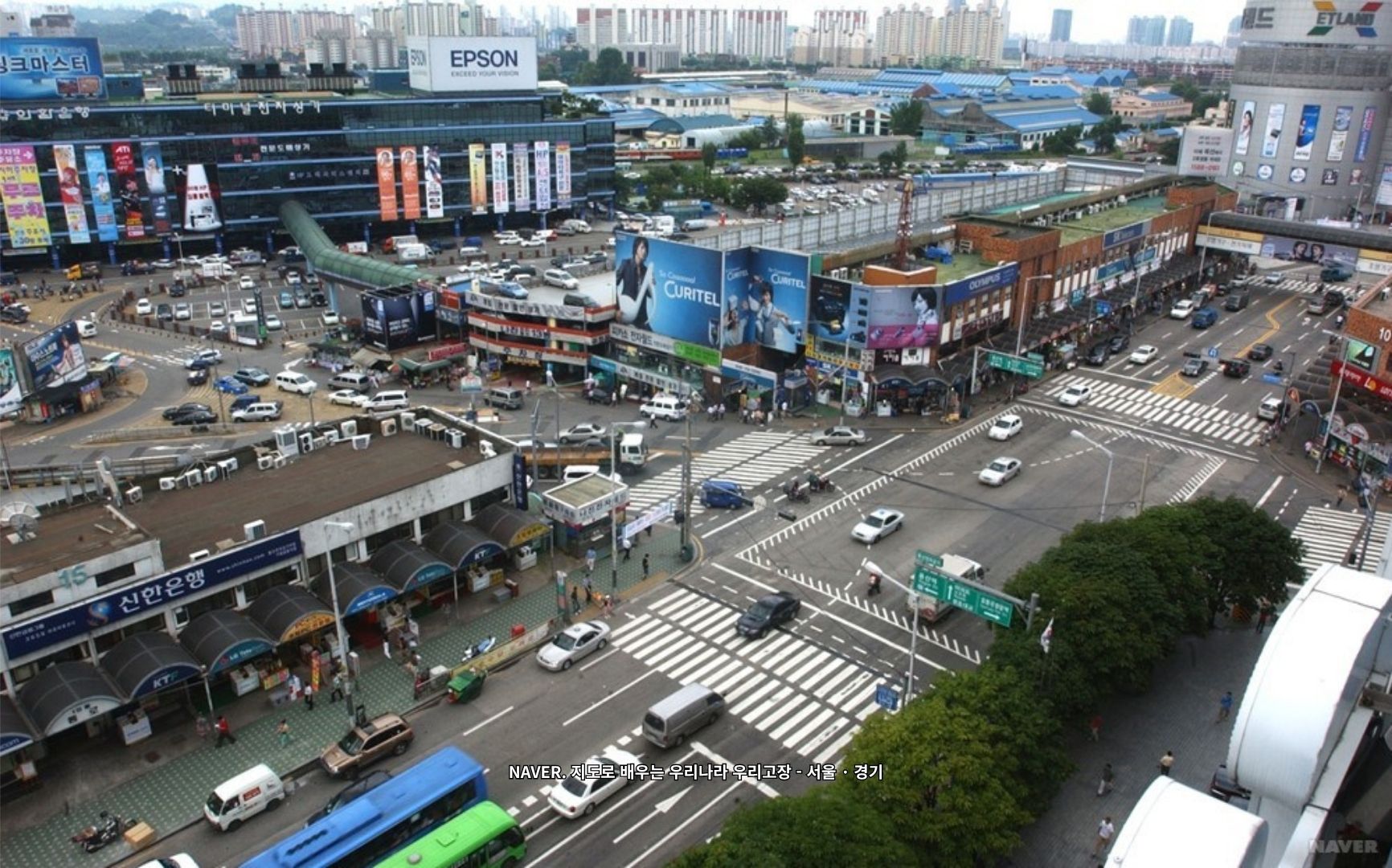
그리고 1988년 용산전자상가가 조성된다. 이때부터 용산은 완전히 새로운 정체성을 갖게 된다.
1990년대는 용산의 황금기였다. 한국의 PC 보급이 폭발적으로 증가했고, 인터넷이 확산되기 시작했다. 특히 스타크래프트와 PC방 열풍은 용산을 전국 게이머들의 성지로 만들었다.
컴퓨터를 사려면 용산에 가야 했다. 최신 CPU와 그래픽카드, 메모리, 모니터, 게임 소프트웨어가 가장 먼저 들어오는 곳이었다.
당시 용산은 단순한 상업시설이 아니었다. 오늘날 실리콘밸리의 스타트업 커뮤니티처럼 개발자와 조립업체, 판매자와 소비자가 실시간으로 정보를 교환하는 거대한 기술 생태계였다.
세계 반도체 산업에도 영향을 미쳤다. 당시 엔비디아는 지금과 달리 생존 자체가 불확실한 신생 기업이었다. 젠슨 황이 직접 용산을 찾아 영업을 해야 할 정도였다.
오늘날 AI 혁명의 상징이 된 엔비디아가 한국 시장, 특히 용산 조립 PC 시장에서 성장의 발판을 마련했다는 사실은 용산의 위상을 보여주는 상징적인 장면이다.
하지만 기술의 발전은 역설적으로 용산의 쇠퇴를 가져왔다. 인터넷 쇼핑몰과 가격 비교 사이트가 등장하면서 소비자가 굳이 용산까지 찾아갈 이유가 줄어들었다.
정보의 비대칭이 사라지자 전자상가의 경쟁력도 약해졌다. 한때 대한민국 IT의 심장이었던 용산은 점차 쇠락의 길을 걸었다.
그러나 이 과정은 한국만의 이야기가 아니다.
일본의 아키하바라 역시 비슷한 길을 걸었다. 1980~90년대 아키하바라는 일본 전자산업의 상징이었다. 컴퓨터와 반도체, 게임기와 전자부품이 모이는 세계 최대 규모의 전자상가였다.
하지만 인터넷 시대가 오자 전자상가 기능은 급격히 축소됐다. 차이가 있다면 아키하바라는 새로운 길을 찾았다는 점이다. 전자상가에서 애니메이션과 게임, 피규어, 아이돌 문화의 중심지로 변신하며 세계적인 관광 명소가 되었다. 산업의 중심지에서 문화의 중심지로 진화한 것이다.
용산도 지금 새로운 전환점에 서 있다.
미군기지는 대부분 반환됐고, 그 자리는 용산공원으로 바뀌고 있다. 전자상가는 재개발을 거쳐 국제업무지구와 첨단 산업 공간으로 재탄생할 예정이다.
생각해보면 용산은 지난 100년 동안 끊임없이 모습을 바꿔 왔다. 군사기지의 도시. 철도의 도시. 전자산업의 도시. 그리고 이제는 미래 도시를 꿈꾸고 있다.
사람들은 용산전자상가의 철거를 보며 한 시대의 종말을 이야기한다. 틀린 말은 아니다.
하지만 용산의 역사를 돌아보면, 이곳은 원래부터 변화 그 자체였던 공간이다. 젠슨 황의 젊은 시절 사진과 BTS의 무명 시절 사진이 특별하게 느껴지는 이유도 여기에 있다.
그 사진들은 단순한 추억이 아니다. 용산이라는 공간이 수많은 가능성과 꿈, 그리고 새로운 시대의 출발점이 되어 왔다는 사실을 보여주는 역사적 기록이다.
어쩌면 용산의 진짜 경쟁력은 전자상가도, 군사기지도 아니었다. 100년 넘게 새로운 시대를 받아들이며 스스로를 끊임없이 변화시켜 온 능력 자체였는지도 모른다.
Today, the former is the leader of the world's most valuable AI company, while the latter became the most successful pop group in modern music history. The fact that both stories share a commonality in Yongsan is no coincidence.
To understand why, one must look beyond the electronics market and into the remarkable history of the district.
For centuries, Yongsan served as a gateway to Seoul. Located along the Han River, it was an important transportation and logistics hub connecting the capital to the rest of the Korean Peninsula.
Its modern transformation began in the early twentieth century.
Following the Russo-Japanese War in 1904, Imperial Japan established a massive military base in Yongsan. During the colonial era, the district became one of the most strategic military and railway centers on the peninsula.
After Korea's liberation in 1945, the site was taken over by the United States military. For decades, Yongsan was synonymous with the U.S. military presence in South Korea. Yet outside the gates of the military base, a very different story was unfolding.
As South Korea industrialized in the 1970s and 1980s, electronics shops began clustering in the area. In 1988, the Yongsan Electronics Market officially opened, marking the beginning of a new chapter.
By the 1990s, Yongsan had become the heart of Korea's technology industry. If you wanted to buy a computer, build a gaming PC, or find the latest hardware, Yongsan was the place to go.
The rise of personal computing, broadband internet, and gaming culture—especially the explosive popularity of StarCraft and PC cafés—turned the district into a pilgrimage site for gamers, engineers, and technology enthusiasts.
More than a shopping destination, Yongsan functioned as a technological ecosystem.
Manufacturers, distributors, system builders, hobbyists, and consumers exchanged information in real time, creating a vibrant community that helped accelerate Korea's digital transformation.
Its influence also extended beyond Korea.
In the late 1990s, NVIDIA was still a struggling startup fighting for survival. Jensen Huang later recalled visiting Korea to promote NVIDIA products in Yongsan's PC market.
Today, as NVIDIA stands at the center of the global AI revolution, that story serves as a reminder of how important Yongsan once was to the global technology supply chain.
However, technological progress eventually undermined the very model that had made Yongsan successful. Online commerce, price-comparison websites, and e-commerce platforms eliminated much of the information advantage that physical electronics markets once possessed.
Gradually, foot traffic decreased, and the district that had once defined Korea's IT culture entered a long period of decline.
Yet this story is not unique to Korea. Tokyo's Akihabara experienced a remarkably similar trajectory. Known worldwide as Japan's electronics capital during the 1980s and 1990s, Akihabara faced many of the same challenges brought by online retail.
The difference is that Akihabara reinvented itself. Rather than remaining solely an electronics district, it evolved into a global center of anime, gaming, cosplay, and pop culture. It transformed from an industrial marketplace into a cultural destination.
Today, Yongsan stands at another turning point. Most of the former U.S. military base has been returned, with plans underway to create a vast national park and new international business districts.
In many ways, Yongsan's history is a story of constant reinvention. A military city. A railway city. A technology city. And perhaps soon, a city of innovation once again.
When people look at old photographs of Jensen Huang or the young members of BTS in Yongsan, they are not merely doing so nostalgically; they are looking at a place where future possibilities were once gathered.
The true legacy of Yongsan may not be its electronics stores or military installations. Its greatest strength has always been its ability to adapt to the next era. And perhaps somewhere in today's Yongsan, the next Jensen Huang—or the next BTS—is already beginning their journey.

