
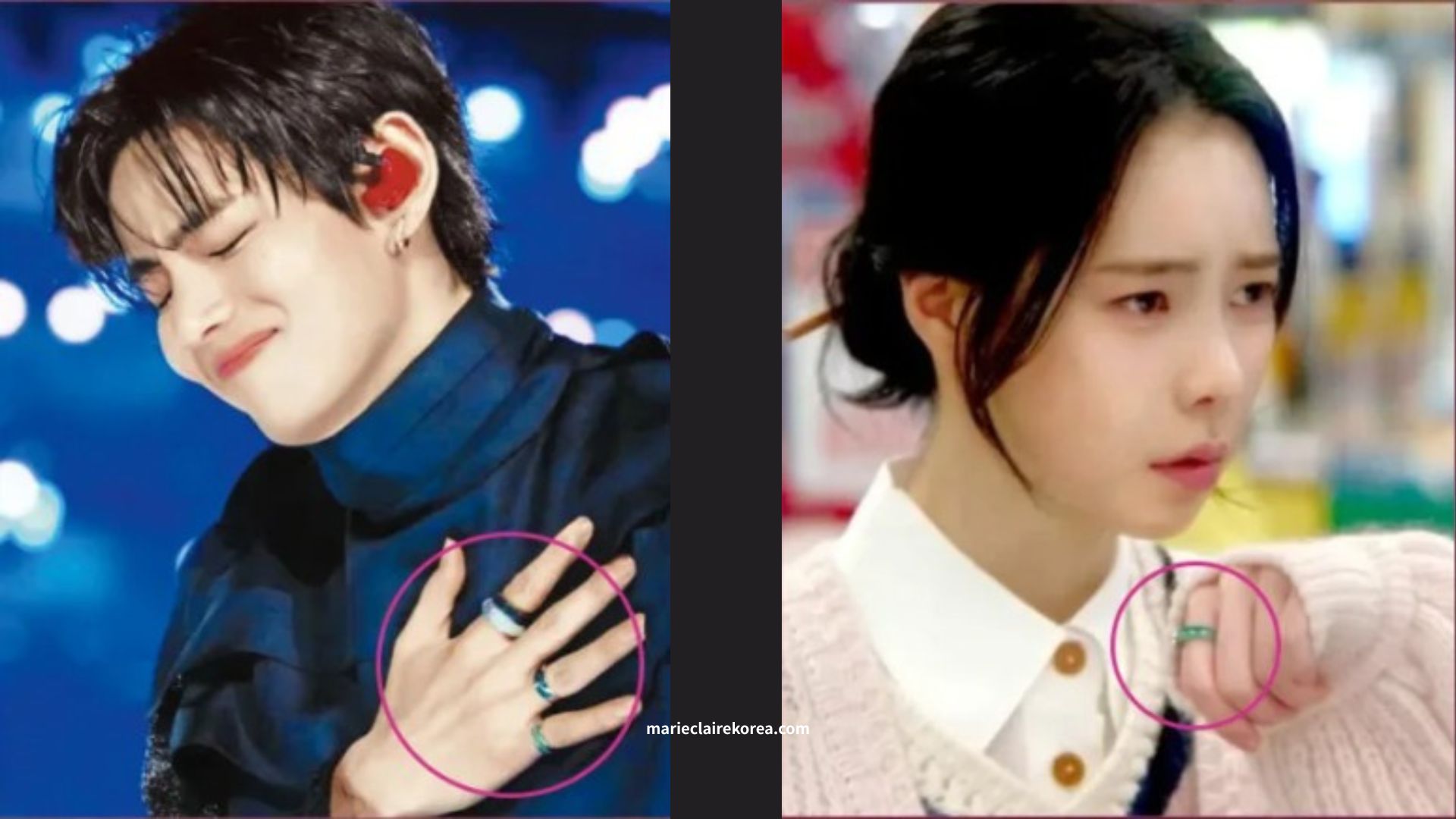
Jade is enjoying an unexpected revival among younger generations. What began with celebrities such as BTS's V and actress Lim Ji-yeon wearing jade rings has evolved into the latest fashion trend known as "Jade Core". Though once an accessory associated only with older generations, jade has become a stylish statement piece for today's consumers. Yet what makes this trend truly remarkable is that it reconnects modern fashion with a cultural tradition that stretches back more than 5,000 years.
최근 젊은 세대 사이에서 '옥코어(Jade Core)'가 새로운 패션 트렌드로 떠오르고 있다. BTS 뷔와 배우 임지연의 스타일링이 화제가 되면서 옥반지는 더 이상 부모 세대의 장신구가 아니라 감각적인 레트로 아이템으로 재해석되고 있다. 그러나 이 유행이 더욱 흥미로운 이유는 단순한 복고 열풍이 아니라, 약 5천 년 동안 이어져 온 우리 문화의 한 조각이 현대적 감각으로 되살아났다는 점이다.
단어장
기사 본문
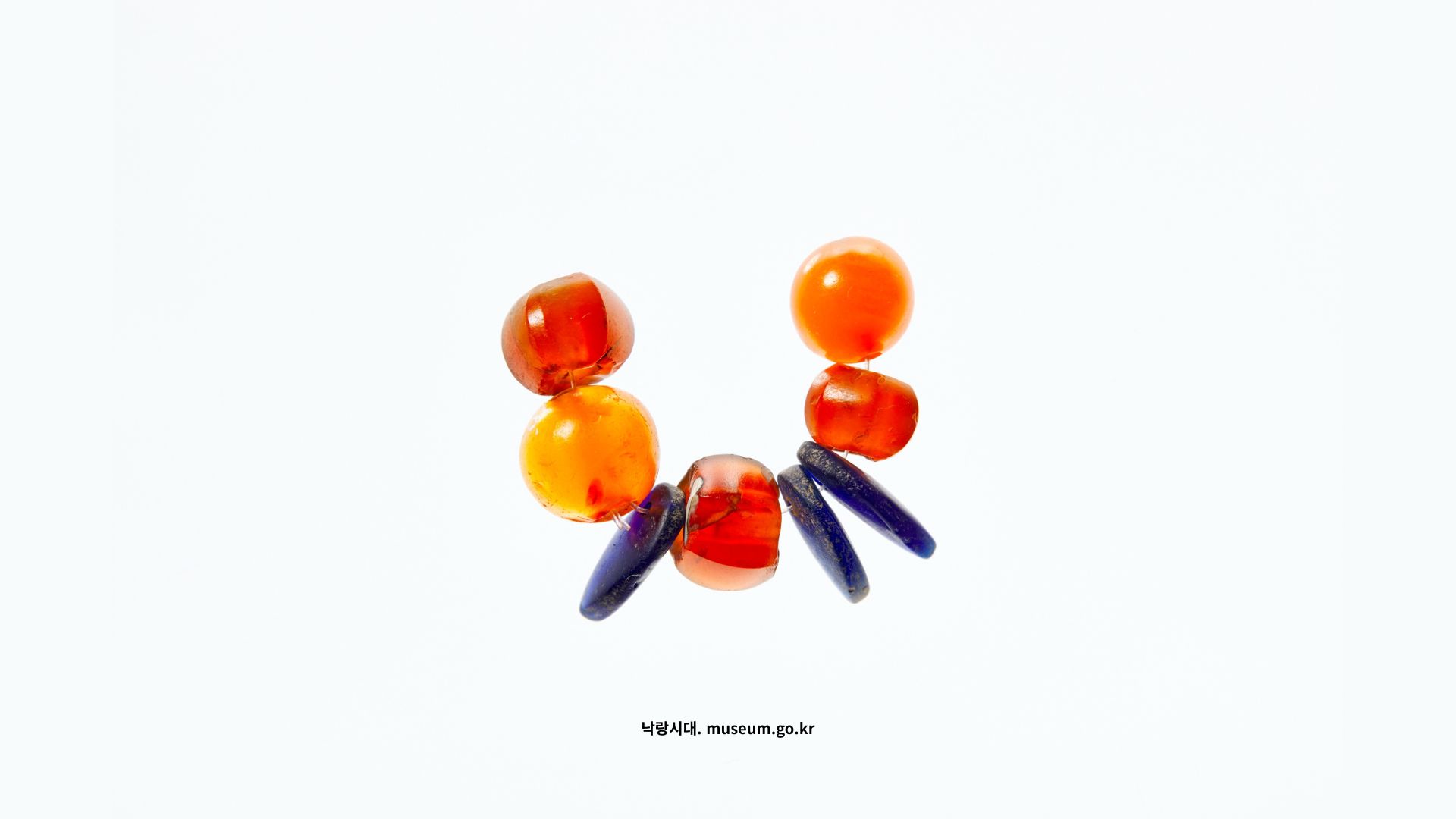
국립중앙박물관과 국가유산청 자료를 보면 우리나라의 옥 문화는 신석기시대까지 거슬러 올라간다. 초기에는 액운을 막고 복을 기원하는 주술적 의미가 강했으며, 청동기시대에는 권력과 신분을 상징하는 귀중한 부장품으로 자리 잡았다. 삼국시대에는 비취색 경옥과 연옥을 이용한 곡옥과 장신구가 활발하게 제작됐고, 신라와 백제의 왕릉에서는 국제 교역을 통해 유입된 유리와 호박을 함께 활용한 정교한 공예품도 발견된다. 이는 당시 한반도가 이미 동아시아 교류의 중요한 축이었음을 보여주는 문화유산이기도 하다.
한국학중앙연구원은 옥이 단순한 보석이 아니라 '인(仁)·의(義)·지(智)·용(勇)·엄(嚴)'의 덕목을 상징하는 존재로 여겨졌다고 설명한다. 이러한 철학은 고려와 조선을 거치며 왕실의 의례용 기물과 패옥, 어보, 옥책 등으로 발전했고, 오늘날에는 채석부터 조각, 연마까지 전 과정을 계승하는 '옥장'이 국가무형유산으로 전승되고 있다.
패션은 늘 새로운 것을 추구하지만, 가장 오래된 것에서 영감을 얻기도 한다. 오늘날 MZ세대가 즐기는 옥반지는 단순한 액세서리가 아니다. 수천 년 동안 이어져 온 장인의 기술과 우리의 역사, 그리고 '좋은 기운을 지니고 싶다'는 인간의 보편적인 바람이 담긴 문화의 연장선이다. 유행은 언젠가 지나가지만, 오랜 시간을 견뎌낸 아름다움은 시대가 바뀔 때마다 새로운 의미를 얻는다. 옥이 다시 주목받는 이유도 바로 그 변하지 않는 가치에 있을 것이다.
According to Korea's National Museum and the Korea Heritage Service, the history of jade on the Korean Peninsula dates to the Neolithic period. In its earliest form, jade was believed to ward off misfortune and bring blessings. During the Bronze Age, it became a symbol of status and authority, often buried alongside weapons in elite tombs. By the Three Kingdoms period, master craftsmen were producing elegant comma-shaped jade ornaments and jewelry from nephrite and jadeite, while amber and glass imported through maritime trade routes reflected the peninsula's connections with the wider world.
Researchers at the Academy of Korean Studies note that jade represented far more than beauty. Due to the influence of East Asian philosophy, it came to symbolize virtues such as benevolence, righteousness, wisdom, courage, and integrity. During the Goryeo and Joseon dynasties, jade was widely used in royal ceremonies, seals, and court ornaments. Today, the centuries-old craftsmanship survives through Korea's officially recognized "Jade Masters", who preserve traditional techniques ranging from quarrying and carving to polishing.
While Fashion constantly entails the search for something new, yet what are often emerge are rediscoveries of the oldest traditions. The jade jewelry embraced by today's generation is more than a retro accessory. It embodies thousands of years of craftsmanship, history, and the timeless human desire for protection, prosperity, and good fortune. Trends may come and go, but objects that have endured for millennia continue to acquire new meanings within every generation. This enduring value is precisely why jade is shining once again.

