
Walk through a Korean market in late November and you'll see mountains of napa cabbage and big bags of red chili powder. It's kimjang (김장) season — the time when Korean families make a big batch of kimchi to eat all winter. And this year, kimjang comes with some surprising news.
11월 말에 한국 시장에 가 보세요. 배추가 아주 많아요. 지금은 김장철이에요. 김장은 겨울에 먹을 김치를 많이 만드는 거예요. 그런데 올해 김장에는 재미있는 뉴스가 있어요.
단어장
기사 본문
올해는 김장이 싸요. 4인 가족이 전통시장에서 김장 재료를 사면 약 28만 8천 원이 들어요. 마트에서는 약 36만 원이에요. 작년보다 15% 정도 싸요.
왜 싸요? 올해 가을 날씨가 좋았어요. 그래서 배추가 많이 자랐어요. 배추 20포기는 약 8만 원이에요. 하지만 새우젓과 소금은 비싸졌어요.
그런데 신문에 이런 질문도 있었어요. "김장이 싸요. 그런데 왜 김치를 안 만들어요?" 올해 김치를 직접 만들거나 가족에게 받는 집은 58.6%예요. 작년에는 64.1%였어요. 김치를 사서 먹는 집은 41.4%예요. 사람들은 "김장은 너무 힘들어요"라고 말해요. 혼자 사는 사람도 많아졌어요. 이런 사람들을 김포족이라고 해요. '김장을 포기한 사람들'이에요.
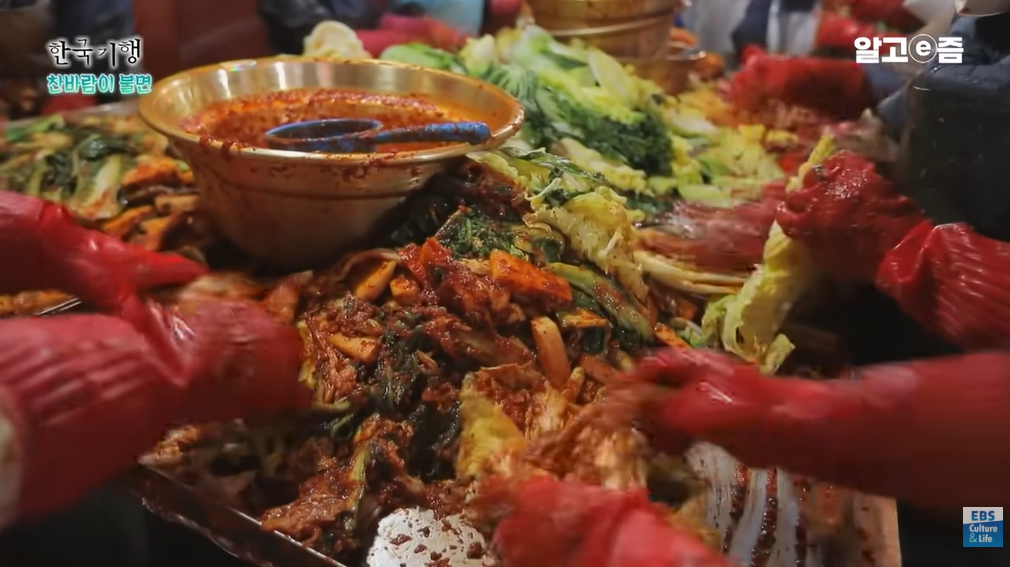
옛날에는 가족과 이웃이 한 집에 모였어요. 같이 배추를 씻고, 같이 양념을 만들었어요. 그리고 김치를 나눴어요. 2013년에 김장 문화는 유네스코 인류무형문화유산이 됐어요. 요즘은 김치를 쉽게 살 수 있어요. 하지만 가족이 같이 만드는 날은 줄었어요.
서울은 11월 말부터 12월 초까지 김장을 해요. 한국에 있으면 시장에 가 보세요. 그리고 한국인 친구에게 물어보세요. "김장했어요?"
Making kimchi is cheap (싸다) this year. According to the price research company Korea Price Information, a family of four needs about 288,500 won for 11 kimjang ingredients at a traditional market, or about 360,340 won at a big supermarket. That's almost 15% cheaper than last year — the lowest price in the 2020s.
Why? The autumn weather was kind, so farmers grew plenty of napa cabbage (배추). Twenty heads now cost about 80,000 won at traditional markets, roughly a third cheaper than last year. Not everything is cheaper, though: salted shrimp (새우젓), a key flavor in kimchi, went up by about 33%, and sea salt is pricier too.
But Korean newspapers also asked a different question: if kimchi is so cheap to make, why are fewer people making it? A survey by the Korea Rural Economic Institute found that 58.6% of households plan to make kimchi themselves or get it from family this year, down from 64.1%. Meanwhile, 41.4% plan to buy packaged kimchi. Herald Business summed up the shoppers' mood in two words: "too much hassle." The Segye Ilbo noted that more Koreans now live alone or in two-person homes. There's even a word for people who skip kimjang: 김포족 (gimpojok), the "kimjang give-up tribe."
That word carries a little sadness. Traditionally, family and neighbors gathered in one home, salted cabbage together, mixed the red seasoning by hand, and shared (나누다) the kimchi. In 2013, UNESCO listed "Kimjang, making and sharing kimchi" as Intangible Cultural Heritage. Today kimchi is easy to buy — but the day of making it together is harder to find.
In Seoul, families usually make kimjang from late November to early December. If you're in Korea, visit a traditional market this month, and try asking a Korean friend: "김장했어요?" (Did you make kimjang?)

